Introduction to a Local Celebrity
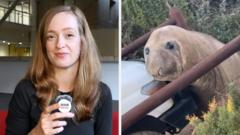
Neil, a five-year-old elephant seal, has become an unexpected internet sensation, captivating audiences worldwide with his distinctive behavior and regular visits to human-populated areas in southern Tasmania, Australia. His presence has transformed him into a local celebrity, drawing significant public interest and creating unique situations for residents and authorities alike.
Neil's Unconventional Habits
Unlike many marine mammals that maintain a distance from human settlements, Neil has shown a remarkable inclination to spend considerable time ashore, often in close proximity to homes, roads, and other infrastructure. This behavior has been a primary driver of his viral fame, as numerous videos and photographs documenting his escapades have circulated widely across social media platforms. His appearances are not fleeting; Neil often remains in an area for extended periods, resting, molting, or simply exploring his surroundings, which sometimes include venturing into residential streets or even driveways.
Public Fascination and Engagement
The public's response to Neil has been overwhelmingly positive, characterized by a mix of adoration, amusement, and a desire to document his activities. Social media platforms are awash with content featuring Neil, ranging from short clips of him waddling down a street to longer videos capturing his interactions with various objects or his seemingly relaxed demeanor in unusual settings. This digital engagement has propelled Neil from a local curiosity to an international phenomenon, attracting global media attention and solidifying his status as a beloved figure.
Challenges Posed by Neil's Popularity
While Neil's presence is largely celebrated, it has also presented a series of logistical and safety challenges for local communities and wildlife management authorities. His tendency to frequent roads has necessitated traffic diversions and increased vigilance from drivers to prevent accidents involving the large marine animal. Furthermore, the sheer volume of people drawn to witness Neil in person has raised concerns about public safety and the potential for disturbing the seal, despite guidelines advising people to maintain a respectful distance.
Wildlife Management and Public Safety Measures
Authorities in Tasmania have had to adapt to Neil's consistent presence. This has involved implementing strategies to manage both the seal's welfare and public interaction. Efforts are made to monitor Neil's health and ensure he is not unduly stressed by human activity. Signage and public awareness campaigns are often employed to educate onlookers about appropriate behavior around wildlife, emphasizing the importance of keeping a safe distance and avoiding direct interaction. The goal is to allow Neil to continue his natural behaviors while minimizing risks to both the animal and the public.
The Broader Context of Seal Behavior
Neil's behavior, while unusual in its consistency and proximity to humans, can be understood within the broader context of elephant seal biology. These animals spend significant time on land for various reasons, including molting, breeding, and resting. Neil's frequent onshore excursions, particularly during his molting periods, are a natural part of his life cycle. However, his choice of location—often in developed areas—is what distinguishes him and contributes to his unique story. His adaptability to human environments highlights the complex interactions between wildlife and expanding urban landscapes.
A Symbol of Wildlife Coexistence
Ultimately, Neil the seal has become more than just a viral sensation; he embodies the ongoing conversation about wildlife coexistence in increasingly human-dominated landscapes. His story prompts reflection on how communities can adapt to and protect wild animals that choose to inhabit shared spaces. While his antics may cause temporary disruptions, the widespread affection for Neil underscores a collective appreciation for nature and its unexpected intrusions into daily life. His narrative is a testament to the power of individual animals to capture the public imagination and foster a deeper connection to the natural world.
Source: BBC News