A New Chapter for Gibraltar-Spain Relations
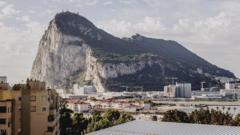
As of July 15th, Gibraltar is poised to eliminate its long-standing border controls with Spain, marking a historic shift in the relationship between the British Overseas Territory and its European neighbor. This impending change, a result of intricate negotiations between the European Union and the United Kingdom post-Brexit, aims to establish freedom of movement between Gibraltar and Spain, a move anticipated to bring substantial economic and social benefits to the region.
For over a century, the land border between La Línea de la Concepción in Spain and Gibraltar has been a daily reality for thousands. Shilpi Chotrani, a human resources professional who commutes daily, encapsulates the sentiment of many, describing the border as an unnecessary barrier. Her daily journey, like that of approximately 15,000 Spanish workers, often involves navigating time-consuming queues during peak hours. The removal of these controls is expected to significantly alleviate such daily inconveniences.
Economic Prospects and Local Impact
The economic disparities between Gibraltar, known for one of the highest per capita incomes globally, and the neighboring Spanish region of La Línea de la Concepción, which faces unemployment rates nearing 30%, underscore the potential impact of this agreement. The mayor of La Línea de la Concepción, Juan Franco, highlights the critical economic dependence on Gibraltar, noting that a third of local businesses' income originates from Gibraltarian clients. He views the resolution as a positive outcome of Brexit, anticipating a boost for the local economy through increased cross-border activity.
The agreement is designed to facilitate a smoother flow of people and goods, potentially narrowing the economic gap between the two territories. Chief Minister of Gibraltar, Fabian Picardo, emphasizes the transformative nature of this arrangement, predicting a significant increase in 'footfall' and business activity due to the removal of frontier restrictions. He envisions a future of "complete and utter fluidity of people and goods" between Gibraltar, Spain, and the wider EU.
Navigating Post-Brexit Complexities
Gibraltar's unique geographical position as a British territory sharing a land border with the EU presented a significant challenge in the wake of the UK's departure from the bloc. Despite Gibraltarians overwhelmingly voting to remain in the EU in the 2016 referendum (96%), concerns about Spanish sovereignty claims and the logistical implications for its key economic sectors, such as online gaming, shipping, and financial services, were paramount.
The negotiated solution involves aligning Gibraltar with the European customs union and the Schengen free travel zone. This means that travelers from non-Schengen countries, including the UK, will undergo passport checks by Gibraltarian and Spanish officials at the territory's airport and port. While the agreement awaits final approval from the UK and European Parliaments, its provisional implementation is a momentous step.
Historical Context and Future Outlook
The history of Gibraltar is rich with episodes of military conflict, sovereignty disputes, and periods of isolation, including a 13-year blockade imposed by Spain's dictator Francisco Franco, which ended in 1982. Chief Minister Picardo frames the new agreement as the antithesis of past blockades, a mutually beneficial opening that promises a "new dawn" for human relations, business, and frontier workers. Spain's foreign minister, José Manuel Albares, echoes this sentiment, heralding "a new era" for the Rock.
However, the new arrangement also introduces changes to Gibraltar's regulatory and tax landscape. Goods sold in Gibraltar will now need to comply with EU regulations, and a new transaction tax, replacing import duty, will be phased in. Starting at 15% this year and eventually rising to 17%, alongside higher excise taxes on certain goods, these changes represent a significant shift for businesses.
John Isola, managing director of Anglo Hispano Company, acknowledges the relief within the Gibraltarian business community that the Brexit-related uncertainty has been resolved without a hard border. While he sees the agreement as a "good compromise" that will attract more visitors, he also expresses some apprehension regarding the new regulations and tax regime. The increased paperwork and the need to adhere to EU standards for goods imported from outside the EU or the UK pose new challenges for businesses.
As July 15th approaches, with border fences already being dismantled, Gibraltar stands on the cusp of a profound transformation, ready to embrace a future defined by greater openness and integration with its Spanish neighbor.
Source: New era for Gibraltar with removal of 118-year-old border controls with Spain